





Freezing method for stabilising soils
Freezing can be used as a method of stabilising water-saturated soils and preventing collapse next to excavations. By freezing the soil until it becomes impervious, it enables workers and plant to operate safely inside the ‘ice wall’ that is formed. In this way, deep earthworks can take place.
In order to produce the low temperatures, steel freeze pipes are installed at approximately 1 m centres around the site that is to be excavated. The pipes are comprised of two tubes. The outer tube is 100-150 mm in diameter, is sealed at the bottom and connected at the top to a return pipe. The inner tube is 38-75 mm in diameter, is open at the bottom and connected to the flow pipe at the top.
These pipes carry chilled brine which is pumped down the inner tube. A refrigeration plant is used to cool the liquid, constantly re-circulating it through the pipes. The brine temperature ranges from -15 to -25-degrees, although the freezing medium must have a freezing point that is well below this temperature range, meaning that a solution of calcium chloride or magnesium chloride is often used.
For the method to be employed there must be moisture content of 8% of the voids. Using a brine medium, the time to obtain a wall of ice depends on the spacing of the pipes, the refrigeration quantity and the type of soil. For example, with pipes spaced at 1 m centres, a frozen wall measuring 1 m thick in sand and gravel takes 10-12 days, and 15-17 days in clay. An observation borehole in the centre of the treated area is sunk to determine whether the frozen wall is completely continuous and excavation work can begin.
Where rapid freezing is required, liquid nitrogen is used as the freezing medium, and this can reduce the freezing time to a few days.
[edit] Related articles on Designing Buildings Wiki
Featured articles
Check out some of the best features and news from Designing Buildings as well as key stories from around the web.

Communities will be able to build their own clean energy.
Why diversity and inclusion matters for SMEs

CIOB’s D&I Charter shows how practical changes can support long-term growth.
Cut electricity bills to power growth

Coalition sends joint letter to the Chancellor.

Gasholders: a history in pictures. Book review.
Recognition, influence and growth

SocEnv identifies three strategic pillars in new strategy to 2045.
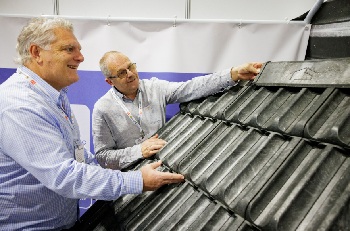
Discover the future of roofing, cladding and insulation.
New guidance for professional practice, cultural change and regulation in social housing.
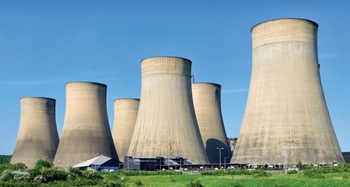
The heritage of nuclear and conventional power stations.
New measures to stop people being ripped off

Government to protect families from cowboy builders and aggressive bailiffs.

New Futurebuild showcase brings an innovation-first approach.
National Planning Policy Framework
Understanding the 2026 changes.
ECA's public affairs priorities

Member consultation opens to shape priorities for 2027 to 2030.